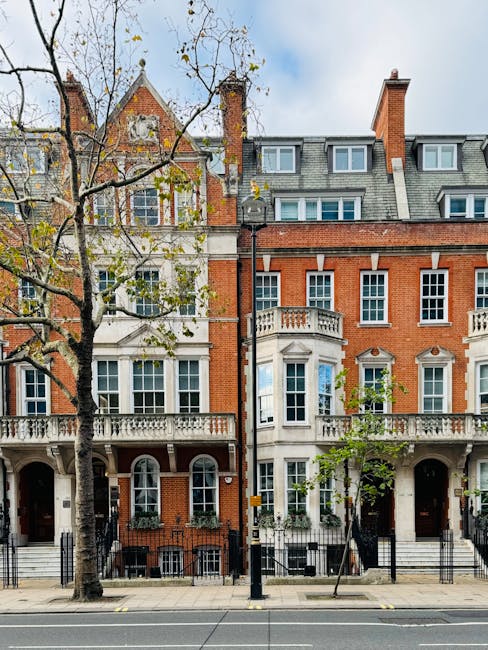
Knightsbridge gardeners guide for Sloane Street terraces
If you look after a terrace near Sloane Street, you already know the challenge: the space is small, the setting is smart, and every plant, pot, and clean edge is on show. A terrace garden in Knightsbridge can feel effortless when it is done well, but getting there takes judgement. This Knightsbridge gardeners guide for Sloane Street terraces brings together the practical details that matter most, from wind exposure and shade to access, planting style, and upkeep. Truth be told, the best terrace gardens are rarely the most complicated. They are the ones that suit the building, the light, and the pace of everyday life.
Whether you are planning a complete refresh or trying to keep a compact space looking sharp through the seasons, the aim is the same: a terrace that feels calm, polished, and easy to live with. And yes, that includes the bits people forget, like drainage, containers, and how quickly a south-facing wall can dry everything out on a warm day in June.
Table of Contents
- Why this matters in Knightsbridge
- How terrace gardening works on Sloane Street
- Key benefits and practical advantages
- Who this is for and when it makes sense
- Step-by-step guidance
- Expert tips for better results
- Common mistakes to avoid
- Tools, resources and recommendations
- Law, compliance, standards and best practice
- Options, methods and comparison table
- Case study and real-world example
- Practical checklist
- Conclusion
- Frequently asked questions
Why Knightsbridge gardeners guide for Sloane Street terraces Matters
Sloane Street terraces sit in a very specific kind of London setting. The architecture is elegant, the street scene is busy, and the garden space is often limited to a front terrace, a roofline edge, or a narrow paved courtyard. That makes gardening decisions more important than they might seem at first glance. A large suburban garden can absorb an awkward shrub or a missed pruning window. A terrace in Knightsbridge usually cannot.
Here, the margin for error is slim. Pots can block light. Soggy compost can stain stone. A planting scheme that looks lush in spring can feel cluttered by late summer if it is not balanced properly. The right approach is less about having more plants and more about having the right plants, placed with restraint.
That is why a localised guide matters. Gardeners working in this part of London need to think about microclimate, privacy, wind, reflected heat from masonry, and the visual discipline expected in high-value residential streets. In our experience, the difference between a terrace that looks tired and one that looks quietly luxurious is usually attention to these small things. The small things. They really do add up.
If you are comparing service options or deciding what level of support you need, it can help to look beyond the basics and review broader gardening services as well as more specific maintenance options such as routine garden maintenance. A terrace rarely needs one-off enthusiasm; it needs consistency.
How Knightsbridge gardeners guide for Sloane Street terraces Works
At a practical level, terrace gardening on Sloane Street works through a cycle of observation, adjustment, and steady upkeep. First comes the site reading: where the sun lands, where the wind funnels, where water pools, and which walls or balustrades create shade. Then comes the design response: container choice, planting structure, and access for future care. After that, the maintenance routine keeps everything looking intentional rather than overgrown or patchy.
A good terrace garden is designed to be manageable from day one. That usually means choosing plants that suit containers, using compost and drainage materials properly, and planning for seasonal swaps without turning the space into a logistics puzzle. For many households, the smart move is to build the scheme around a few permanent anchors, then layer in softer planting around them.
On a street like Sloane Street, you also need to think about presentation from multiple angles. A terrace may be viewed from inside, from the pavement, or from upper floors nearby. So gardeners are not just maintaining plants; they are curating sightlines. That is a slightly fancy way of saying the garden should look good from the places people actually see it. Simple, but easy to miss.
For deeper seasonal planning, many property owners find it useful to pair this approach with thoughtful garden design and, where the space is compact or highly visible, careful surface and turf work if a green edge or lawn-style finish is part of the plan. Not every terrace needs turf, of course. Sometimes a cleaner paving and planting balance is the better call.
Key Benefits and Practical Advantages
The benefits of a well-managed terrace garden in Knightsbridge are both visual and practical. The obvious one is appearance: a tidy, layered terrace lifts the whole property. But there are quieter benefits too. Good planting can soften hard surfaces, reduce harsh reflections, create privacy, and make an outdoor area feel usable rather than purely decorative.
Here are the main advantages property owners usually notice:
- Better year-round presentation: evergreen structure and seasonal rotation stop the terrace looking bare in winter or overpacked in summer.
- More usable space: a clear layout makes it easier to sit, entertain, or simply open a door without weaving around pots.
- Improved privacy: layered planting, climbers, and strategic screening can soften views from adjacent buildings.
- Reduced maintenance stress: a sensible plan is easier to keep tidy, which matters if you are busy or away often.
- Better plant health: matching the plants to the terrace conditions reduces leaf scorch, water stress, and failed displays.
There is also a property-value angle, though it is best not to overstate it. A well-kept terrace supports the overall impression of the home. That impression matters. Buyers, guests, and even neighbours tend to notice whether a terrace feels considered or slightly neglected. To be fair, people do judge these things in London.
If your outdoor space includes windows, planters, or wall-mounted greenery, it may be worth combining regular upkeep with related services such as window cleaning so the whole facade feels cohesive. Clean glass next to clean planting makes a much stronger visual effect than either one on its own.
Who This Is For and When It Makes Sense
This guide is for anyone responsible for a terrace garden in or around Sloane Street: homeowners, landlords, property managers, concierge teams, and interior-led households that want the outside space to match the standard of the interior. It is also useful for residents who have inherited an existing planting scheme and are not quite sure why it has become messy, sparse, or strangely expensive to maintain.
It makes sense to follow a structured terrace gardening approach if any of the following sound familiar:
- You have a small outdoor area that needs to look polished, not crowded.
- Your plants struggle with heat, shade, or wind in different corners of the terrace.
- You want privacy without making the space feel boxed in.
- You need a maintenance plan that works around travel, work, or a building schedule.
- You want the garden to feel in step with a high-end Knightsbridge setting.
It is especially relevant if you are weighing whether to invest in ongoing care, a seasonal reset, or a full redesign. Sometimes the answer is not a grand makeover. Sometimes the right move is just better structure and regular attention. A bit less chaos, a bit more rhythm.
For estates or residences with multiple external areas, it can be sensible to align terrace care with broader hedge trimming or boundary maintenance, so everything reads as one thoughtful outdoor composition rather than separate jobs done at different times.
Step-by-Step Guidance
If you are planning or improving a terrace garden near Sloane Street, a step-by-step process keeps the work grounded. Skipping straight to planting is tempting, but that is often where the mistakes begin. Better to start with the space itself.
- Assess the site properly. Look at sun, shade, wind, drainage, access, and how the terrace is used day to day. Notice the odd stuff too, like a hot stone wall or a corner that stays damp after rain.
- Define the purpose of the terrace. Is it for dining, quiet sitting, visual screening, or a mix? A terrace that needs to do everything usually needs stronger structure than you first expect.
- Choose a planting style. Formal, relaxed, architectural, or seasonal display-led. On Sloane Street, a refined palette often works better than a cluttered one.
- Select containers and materials. Pots should suit the scale of the property and be heavy enough to resist movement in wind. Cheap, light containers can look temporary very quickly.
- Build drainage into the setup. Terraces are unforgiving. Waterlogging in containers is a common reason plants decline. Use suitable drainage layers and make sure runoff will not stain stone or create slips.
- Plant in layers. Use structure first, then mid-layer shrubs or perennials, then softer seasonal interest. That gives the garden depth without overcrowding it.
- Set a maintenance rhythm. Watering, feeding, deadheading, pruning, and pest checks should follow the season. A terrace can change fast, especially in warmer months.
- Review after the first month. A newly installed terrace often needs adjustment once plants settle. One pot may be in too much sun, another may dry out too quickly. That is normal.
One useful rule: do not judge a terrace planting scheme only on the day it is installed. Give it a little time. Plants behave differently once they have been out through a wet week, a windy evening, and that first unexpectedly hot spell. London loves to test a garden, honestly.
Expert Tips for Better Results
The best terrace gardens usually rely on a few quiet expert habits rather than dramatic interventions. If you want stronger results, start there.
Keep the structure simple
In a compact outdoor space, too many plant forms can make the terrace feel busy. A restrained palette of leaf shapes, pot finishes, and heights tends to look more expensive and more deliberate. That does not mean dull. It means edited.
Use repetition for calm
Repeating a container shape, a plant variety, or a colour note helps the eye move comfortably across the terrace. Repetition is one of the easiest ways to make a small garden feel planned rather than improvised.
Think about watering before the heat arrives
Container planting can dry out fast, especially on a sheltered but sunny terrace. If you wait until the first hot spell, you are already behind. Early-morning watering, moisture-retentive compost, and grouped pots can make a big difference.
Plan for winter, not just spring
That is a common blind spot. A terrace can look wonderful in May and rather stark by January if there is no evergreen backbone. Structure from foliage, not only flowers, keeps the space presentable through the quieter months.
Keep the edges crisp
On terraces, tidiness is often what separates an average result from a polished one. Clean pot rims, swept paving, trimmed growth, and no tired stems leaning over the edge. Small detail, big effect.
If you want a more comprehensive seasonal approach, it can help to work with a team that also understands planting design and broader landscaping principles. The garden should feel connected to the architecture, not pasted on top of it.
Expert summary: For Sloane Street terraces, aim for restrained planting, reliable drainage, and a maintenance rhythm you can actually keep. The most successful schemes are elegant because they are easy to sustain, not because they are overloaded with features.
Common Mistakes to Avoid
Terrace gardens in Knightsbridge often fail for predictable reasons. The good news is that most of them are avoidable once you know what to look for.
- Choosing plants for looks alone: A plant can look perfect in the nursery and still hate your terrace conditions.
- Ignoring container size: Small pots dry out fast and restrict root health. Bigger is often safer, within reason.
- Overcrowding the space: Too many pots or specimens make maintenance harder and the terrace feel cramped.
- Forgetting the building fabric: Water splashes, root spread, and staining all matter around stone, paint, and balustrades.
- Leaving no room for access: If a gardener cannot reach the back corner comfortably, that corner will become a problem later.
- Skipping seasonal resets: A terrace that never gets edited eventually starts looking tired, even if the plants are healthy.
One slightly awkward but very real issue is the tendency to keep a sentimental plant that has clearly outgrown its place. We have all seen it. The favourite olive tree that is now leaning like it has had a long day. Sometimes the kindest thing is to move it, re-pot it, or let it go.
Also, do not assume a maintenance visit will fix a poor setup. If the drainage is wrong or the pot layout makes no sense, no amount of tidying will solve the underlying problem. That is the kind of thing that quietly drains money over time.
Tools, Resources and Recommendations
A terrace garden does not need a warehouse of equipment. It does, however, benefit from the right tools and a few sensible materials. The goal is less strain, better consistency, and fewer avoidable failures.
| Item | Why it helps | Best use on a terrace |
|---|---|---|
| Long-spout watering can | Reaches pots neatly without spilling | Ideal for daily or early-morning watering |
| Moisture-retentive compost | Helps plants cope with faster drying conditions | Useful in sunny or exposed containers |
| Heavy planters | More stable in wind and less likely to shift | Good for prominent front terraces |
| Hand pruners and secateurs | Keep growth tidy and encourage healthy shape | Best for regular light maintenance |
| Soft ties and supports | Help climbers and taller plants stay controlled | Useful near walls, railings, and screens |
It also helps to work with a provider that can coordinate related tasks instead of treating the terrace as a one-off. If the property needs a broader reset, a combination of tree surgery, planting care, and maintenance planning may be more efficient than piecemeal fixes. That is especially true where overhanging branches, shade, or access issues are affecting plant performance.
If you are trying to compare service levels, ask about:
- seasonal maintenance plans
- container planting refreshes
- pruning and deadheading schedules
- watering support during holidays or heat spells
- soil health and repotting advice
Law, Compliance, Standards, or Best Practice
For terrace gardening in Knightsbridge, the most relevant compliance issues are usually practical rather than dramatic. You may need to think about access, shared building rules, water use, noise, and waste disposal. If the property is leasehold or part of a managed building, there may also be restrictions on what can be fixed to external walls, what can be stored on terraces, and when contractors can work.
There is no single universal rulebook for every terrace, so the safest approach is to check the building's arrangements before major work begins. That is especially true if installation involves lifting heavy planters through communal spaces, using climbing supports, or altering drainage in a way that might affect neighbouring areas.
Best practice usually includes the following:
- protecting paving and facades during installation
- avoiding standing water and uncontrolled runoff
- disposing of green waste responsibly
- using appropriate plant supports rather than damaging fixings
- keeping pathways and access points clear
If you are not sure whether an installation is suitable, ask for a site review before committing to it. A careful gardener will usually flag issues early. That is a good sign, not a sales obstacle.
For properties with complex external spaces, aligning gardening with careful pressure washing or non-aggressive exterior cleaning can also help maintain standards, but this should always be handled with care around delicate stone and planting. Not everything benefits from a stronger hose, let's put it that way.
Options, Methods, or Comparison Table
There are several ways to manage a terrace garden near Sloane Street, and the right option depends on time, budget, and how polished you want the result to look. Here is a simple comparison to help frame the decision.
| Approach | Best for | Advantages | Trade-offs |
|---|---|---|---|
| Basic maintenance only | Already established planting that mostly works | Lower commitment, straightforward upkeep | May not solve design or drainage problems |
| Seasonal refresh | Terraces that need sharper presentation across the year | Improves colour, texture, and structure | Requires regular review and replanting |
| Full redesign | Spaces with poor layout, failed planting, or access issues | Most effective long-term result | Higher upfront planning and installation work |
| Hybrid service | Busy households needing a managed approach | Balances convenience and quality | Needs clear communication and scheduling |
In practice, many Sloane Street terraces benefit from a hybrid approach: a strong base design, then scheduled maintenance and seasonal updates. That keeps the garden looking intentional without asking too much of the owner. Which, honestly, is usually the sweet spot.
Case Study or Real-World Example
Take a typical Knightsbridge terrace: a narrow paved area outside a period property, with one sunny section near the wall and a shaded end closer to the rail. The existing setup might include a few mismatched pots, a climbing plant that has become leggy, and some tired bedding that looked good in spring but has now gone thin.
The first step is not to add more plants. It is to simplify. The old containers are grouped into a clearer layout. One larger evergreen structure plant anchors the space. Smaller seasonal pots are used to soften the edges. A climbing support is repaired, and the plant is retrained so it sits neatly rather than tangling across the wall. The result feels calmer immediately, even before new planting fills out.
Then the maintenance schedule shifts. Watering is done more carefully because the sunniest corner dries out first. Deadheading is light but regular. At the start of each season, one or two pots are swapped to keep the terrace from going stale. Nothing dramatic. Just steady care.
What tends to surprise people is how much better the space feels once it is not fighting itself. The paving is visible again. The sightline from the kitchen is cleaner. The terrace looks like part of the home rather than an afterthought. That is the kind of change that matters on a street like Sloane Street, where detail counts.
Practical Checklist
Use this quick checklist before, during, or after any terrace garden work. It is deliberately simple. Easy to action, easy to revisit.
- Check how much sun, shade, and wind the terrace receives at different times of day.
- Confirm drainage works and no water is pooling near walls or paving edges.
- Choose container sizes that suit the plants, not just the available floor space.
- Keep a clear path for doors, windows, and maintenance access.
- Use a planting mix with year-round structure, not just short-lived colour.
- Group similar care needs together so watering is simpler.
- Inspect ties, supports, and plant health regularly.
- Plan seasonal refreshes before the terrace looks tired.
- Make sure the design matches the property's style and level of formality.
- Arrange waste removal and clean-up after pruning or replanting work.
If you can tick most of those off, you are already ahead of many terrace setups. That sounds obvious, but in real life people skip the basics and then wonder why the garden feels hard work. Happens all the time.
Conclusion
A well-managed terrace near Sloane Street should feel elegant, practical, and quietly easy to maintain. That is the heart of this Knightsbridge gardeners guide for Sloane Street terraces: plan for the site you actually have, choose plants and containers that suit the conditions, and keep the maintenance rhythm steady. When the structure is right, everything else becomes simpler.
Whether you need a seasonal refresh, a more disciplined planting scheme, or a complete rethink of a cramped terrace, the smartest approach is usually the most considered one. Good terrace gardening is not about making a fuss. It is about getting the details right so the space gives back more than it takes.
Get a free quote today and see how much you can save.
And if you take one thing away, let it be this: a small terrace can feel generous when it is cared for with patience and a clear eye. That is the quiet reward, really.
Frequently Asked Questions
What makes terrace gardening in Knightsbridge different from other London areas?
Terrace gardening in Knightsbridge often involves tighter presentation standards, more visible front-facing spaces, and a stronger need for restraint. The planting has to look refined, not crowded, and it usually needs to cope with wind, reflected heat, and limited access.
How often should a Sloane Street terrace be maintained?
That depends on the planting, but most terraces benefit from regular checks weekly during active growing periods and lighter maintenance through colder months. If the space is container-based, watering and tidying often need a more frequent rhythm.
What plants work best on a terrace with full sun?
Sun-loving plants that tolerate faster drying conditions are usually the safest choice, especially in containers. The exact selection depends on the aspect and exposure, but a good gardener will look for reliable structure, heat tolerance, and manageable growth.
Can a small terrace still look luxurious?
Absolutely. In fact, smaller terraces often look more elegant when they are carefully edited. Repetition, clean lines, good pots, and a restrained plant palette can make a compact space feel very high-end.
What is the biggest mistake people make with terrace planting?
One of the biggest mistakes is ignoring drainage and container size. Plants can fail surprisingly quickly if their roots sit in poor compost or if the pot dries out too fast. The second big mistake is overcrowding.
Is a full redesign always necessary?
No. Sometimes a terrace only needs pruning, better grouping of pots, improved soil, and a seasonal refresh. A full redesign makes sense when the layout, drainage, or plant structure is fundamentally not working.
How do you keep terrace plants healthy during holidays?
Before you travel, group pots by water need, mulch the surface where appropriate, and arrange a watering plan with someone reliable. For longer absences, a maintenance visit is often the simplest safeguard.
Do I need permission to change planters or supports on a terrace?
In some buildings, yes. Leasehold or managed properties may have rules about external alterations, fixings, and access. It is always sensible to check with the building management or freeholder before making larger changes.
What is the best time of year to refresh a terrace garden?
Spring and early autumn are often good times for replanting or refreshing containers because temperatures are gentler and plants can establish more comfortably. That said, the right timing depends on the species and the terrace conditions.
How can I make a terrace feel greener without blocking light?
Use layered planting, lighter foliage, and carefully placed containers rather than tall, dense screens everywhere. A few well-positioned plants can soften the space without making it feel closed in. It is a balancing act, but a very workable one.
Are evergreen plants useful on London terraces?
Very much so. Evergreens provide structure through winter and stop the terrace looking bare when seasonal plants fade. They are especially useful on terraces where year-round presentation matters.
What should I ask a gardener before hiring them for a terrace project?
Ask how they assess light and drainage, how they handle container planting, what maintenance schedule they recommend, and whether they can work with the building's access rules. A good gardener will answer clearly and practically, without hiding behind jargon.