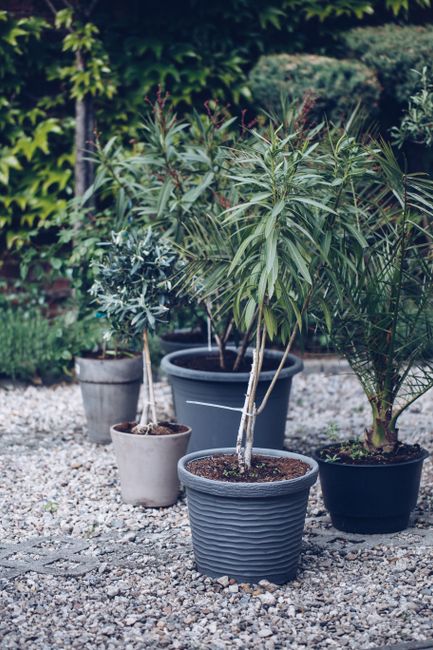
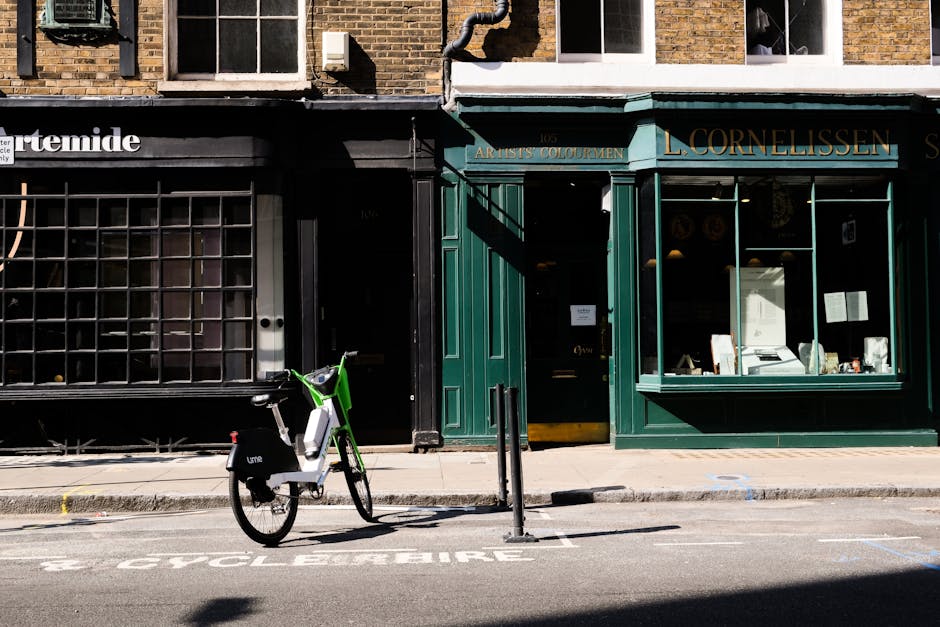
Best gardeners for Brompton Road balconies and courtyards: how to choose the right local expert
If you live near Brompton Road, you already know the appeal of a small outdoor space done well. A balcony that catches the afternoon light. A courtyard that feels calm, private, and green even in the middle of London. The tricky bit is finding the best gardeners for Brompton Road balconies and courtyards-someone who understands compact spaces, wind exposure, container planting, and the kind of finish that looks elegant rather than crowded.
This guide walks you through what to look for, how the work usually happens, what good service looks like, and where people often go wrong. Whether you want a seasonal refresh, a full redesign, or ongoing maintenance, you'll find practical advice here. And yes, a few little realities too-because a balcony in Knightsbridge is lovely, but it also has its own opinions about drainage, shade, and how quickly pots dry out on a breezy day.
Table of Contents
- Why Best gardeners for Brompton Road balconies and courtyards Matters
- How Best gardeners for Brompton Road balconies and courtyards Works
- Key Benefits and Practical Advantages
- Who This Is For and When It Makes Sense
- Step-by-Step Guidance
- Expert Tips for Better Results
- Common Mistakes to Avoid
- Tools, Resources and Recommendations
- Law, Compliance, Standards, or Best Practice
- Options, Methods, or Comparison Table
- Case Study or Real-World Example
- Practical Checklist
- Conclusion
- Frequently Asked Questions
Why Best gardeners for Brompton Road balconies and courtyards Matters
Small outdoor spaces can be surprisingly demanding. A balcony may be exposed to wind tunnel effects from nearby streets and buildings. A courtyard may be shaded by taller properties and only get a sliver of light. Some receive strong morning sun, then almost none by late afternoon. The right gardener reads those conditions properly instead of treating every space like a generic patio.
That matters because balcony and courtyard planting is not just about making things pretty. It is about choosing plants that cope, designing around the available light, and creating a layout that feels balanced without becoming cluttered. In a place like Brompton Road, where many homes and flats are compact and finishes matter, the details really do count.
There is also the practical side. Good garden work in tight spaces often includes safer access, secure pots, appropriate irrigation, careful pruning, and regular maintenance. A skilled gardener will notice things you might miss at first glance, like poor drainage under planters or a courtyard corner that stays damp after rain. Tiny issues now can become annoying ones later. To be fair, that is usually how it goes.
If you are planning more than a simple tidy-up, it can help to explore related services too, such as professional landscaping services for structural changes or garden design support if you want a more polished plan from the start. Those can be especially useful where the space needs to look refined from day one.
How Best gardeners for Brompton Road balconies and courtyards Works
In simple terms, a good balcony or courtyard gardening service starts with understanding the site. Not the fantasy version. The real one. That means checking light, access, exposure, drainage, existing containers, and how you actually use the space. Do you want somewhere to sit with coffee? Do you need privacy from overlooking neighbours? Do you want year-round greenery or seasonal colour? These answers shape everything else.
Most projects follow a similar pattern:
- Site review - measuring the space and noting conditions such as shade, wind, and access.
- Plant and style planning - choosing species, materials, and containers that suit the setting.
- Preparation - clearing tired plants, checking drainage, and improving the growing medium.
- Installation - planting, arranging pots, and setting up irrigation or support where needed.
- Aftercare - pruning, feeding, seasonal replacement, and monitoring plant health.
On Brompton Road, there is often a premium placed on presentation, which means gardeners need an eye for proportion as much as horticulture. A few oversized pots can make a small terrace feel cramped. Too many little ones can look fussy. Good design finds the middle ground, and it usually looks effortless-although it rarely is.
If you are looking for ongoing upkeep, a tailored garden maintenance service can keep things tidy between seasons. For projects where the space needs to look considered quickly, some homeowners also benefit from a broader landscape management approach, especially if more than one outdoor area needs attention.
Key Benefits and Practical Advantages
Working with the right gardener is not just about outsourcing a task. It changes the way the space works for you every day. A well-planned balcony or courtyard can feel bigger, calmer, and easier to live with. That might sound like a small thing until you've sat beside a cramped pot arrangement that keeps toppling in the wind. Then it feels very important.
- Better use of limited space - professional layouts make compact areas feel open rather than crowded.
- Plant choices that survive real conditions - the right varieties save time, money, and frustration.
- More privacy - screening plants, trained climbers, and careful placement can soften overlooking lines.
- Less maintenance stress - sensible planting schemes reduce guesswork and dead-plant churn.
- Year-round interest - evergreen structure, seasonal colour, and texture keep things attractive beyond summer.
- Better property presentation - a smart courtyard or balcony can lift the feel of the whole home.
There is also a quieter benefit: when the space is done well, you tend to use it more. A chair stays out longer. The door is opened more often. You notice the rosemary scent in the evening and the little shift of shade in the corner. That kind of everyday enjoyment is often the real goal, even if nobody says it out loud.
Who This Is For and When It Makes Sense
This service makes sense for a lot of people, but especially if your outdoor space is small, exposed, or awkwardly shaped. Brompton Road properties often have balconies, roof-level terraces, or courtyard gardens that need precision more than scale. If that sounds familiar, you are probably in the right place.
You may want a gardener if you are:
- moving into a new flat or townhouse and want the outdoor space sorted properly
- struggling with plants that keep failing in shade or wind
- preparing a home for guests, tenants, or viewings
- wanting a seasonal refresh before spring, summer, or Christmas entertaining
- needing regular maintenance because the space gets messy quickly
- looking for a more refined, design-led finish rather than basic upkeep
It also makes sense if you are short on time. A balcony garden can be deceptively hands-on. Containers dry out fast. Leaves collect. Deadheading is easy to ignore for two weeks, then suddenly everything looks tired. Truth be told, many people only realise how much work it is once they have spent a month trying to keep it going themselves.
For homeowners considering a broader refresh, it may help to review planting services or, where hard surfaces are part of the problem, paving solutions. Sometimes the best result comes from improving the base before adding the greenery.
Step-by-Step Guidance
If you want the best outcome, do not start by asking for plants first. Start by defining the space and the result you want. That sounds obvious, but it is where a lot of projects drift.
1) Measure and observe the site
Note the dimensions, where the sun falls, where water sits after rain, and how people move through the area. On balconies, also think about weight, access, and how much room remains once furniture is in place.
2) Decide how you want to use it
Do you want a quiet reading corner, a sociable dining spot, or a lush green view from inside? One of the most useful questions a gardener can ask is: what should this space feel like at 8am and at 8pm? That usually tells the story better than a mood board full of pretty pots.
3) Choose a style direction
Some spaces work best with restrained elegance: clipped evergreens, structured containers, and one or two accent plants. Others can handle a looser, softer scheme with flowering perennials and climbing plants. Good gardeners balance style with maintenance reality. A beautiful plant that constantly sulks is not, in practice, a beautiful plant.
4) Prioritise planting success
Successful balcony and courtyard planting usually depends on three things: the right soil or compost mix, suitable drainage, and plants matched to the light. Herbs, ferns, grasses, compact shrubs, climbers, and seasonal bedding all have their place, but only if the conditions suit them.
5) Plan maintenance from the start
Maintenance should not be an afterthought. Ask how often pots will need watering in hot weather, when feeding is needed, and what can be pruned lightly versus more strongly. Even a low-maintenance design still needs a rhythm.
6) Review after the first season
Once the space has lived through a few weeks of real weather, the best gardeners will adjust. Maybe one plant gets too much wind. Maybe another is happier than expected. Small refinements make a big difference.
If you want support that continues beyond the initial install, it can help to combine planting with a dependable tree and planting care service where mature specimens or screening features are involved. Even small courtyards sometimes benefit from that extra layer of attention.
Expert Tips for Better Results
In our experience, the best balcony and courtyard gardens are the ones that look planned, not packed. That usually means leaving breathing room around the plants and using repetition smartly. A few recurring shapes or materials can tie the whole space together.
- Use a mix of heights - low planting, mid-level structure, and one taller focal point create depth.
- Choose containers with purpose - good pots are not just decorative; they help with root health and proportion.
- Keep a clear path - if it is awkward to move through, you will stop using the space.
- Think about the view from indoors - the garden should look good from the kitchen or sitting room too.
- Prioritise year-round structure - evergreen plants stop the space from feeling bare in winter.
- Respect microclimates - a sunny corner, a damp corner, and a windy edge may all need different plants.
A small but useful tip: use fewer plant types, but use them well. Three thoughtful species often look better than eight half-random ones. There is a kind of calm that comes from restraint. Not boring. Just calm.
For clients who want a polished finish, services such as fencing and screening can also help define the space and reduce visual noise. On a busy street, that extra sense of enclosure can make the whole garden feel more private and more expensive, if we are being honest.
Common Mistakes to Avoid
Here is where small spaces can go wrong quite quickly. The problems are usually not dramatic. They are the kind that slowly make the space feel tired or awkward. A few of the most common ones are below.
- Choosing plants for looks alone - a plant that dislikes wind or shade will struggle, no matter how lovely it looked in the nursery.
- Overcrowding - too many containers leave no visual rest and make maintenance harder.
- Ignoring drainage - waterlogged pots or courtyards can damage roots and create mess.
- Forgetting access - if a gardener cannot reach all areas easily, maintenance becomes patchy.
- Picking high-maintenance schemes by accident - some "lush" designs need far more care than people expect.
- Not planning for winter - summer can flatter almost anything; January is less forgiving.
Another subtle mistake is treating all containers the same. A shallow planter does not behave like a deep one, and a sunny metal pot can dry out much faster than terracotta or stone. Tiny details? Yes. But tiny details are basically the whole game in a Brompton Road balcony. A bit unforgiving, maybe, but there it is.
Tools, Resources and Recommendations
Good gardeners arrive with more than a trowel and hope. For balcony and courtyard work, the right tools and materials make the process smoother and the results last longer.
| Tool or Resource | Why it matters | Best use case |
|---|---|---|
| Quality containers | Support root health, drainage, and visual balance | Balconies and terraces with limited floor space |
| Lightweight growing medium | Helps reduce weight and improve drainage | Upper-floor balconies and roof terraces |
| Watering system or irrigation plan | Keeps planting consistent in hot spells | Busy households or larger container schemes |
| Secateurs and pruning tools | Maintain shape and health | Climbers, shrubs, herbs, and seasonal tidy-ups |
| Screening elements | Add privacy and structure | Overlooked courtyards or street-facing balconies |
As a rule, the best results come from combining design thinking with maintenance reality. If you need help deciding between more structural work and planting-led improvements, a service page such as soft landscaping can be a useful place to start. It often bridges the gap between "I want this to look better" and "I need an actual plan."
Also worth saying: ask about seasonal care before the work begins. Not after the plants are in and looking hopeful. That is the point where people suddenly remember they travel every other week.
Law, Compliance, Standards, or Best Practice
For most balcony and courtyard gardening projects, the main concerns are practical rather than legal, but it is still wise to think carefully about safety and building rules. In London, flats and shared developments can have leasehold conditions, management company rules, and building-specific restrictions that affect what can be installed, how water is managed, and whether fixings are allowed.
Best practice usually includes:
- checking weight limits before adding large planters, heavy soil, or water features
- making sure drainage does not create nuisance for neighbours or common areas
- avoiding unsafe fixings into communal structures without permission
- keeping access routes clear, especially where fire escape considerations apply
- using plants and materials that do not damage surfaces or waterproof membranes
If the garden is in a managed building, ask first and document any approvals. It is a much smoother conversation than explaining after the fact why a huge planter has appeared on a shared terrace. Better to do it once, properly.
Professional gardeners who regularly work in central London should also be familiar with careful handling, tidy site management, and respectful working practices. That does not mean overcomplicating the job. It just means keeping things safe, neat, and in line with the property's constraints.
Options, Methods, or Comparison Table
If you are deciding how to approach a balcony or courtyard, it helps to compare the main routes. Not every project needs the same level of design input. Some spaces only need smart maintenance. Others need a full rethink.
| Approach | Best for | Pros | Watch-outs |
|---|---|---|---|
| Basic tidy and refresh | Spaces that are already functional | Quick, practical, lower disruption | May not solve deeper planting or layout issues |
| Planting-led redesign | Balconies or courtyards that feel bare or messy | Improves appearance without major building work | Requires good plant selection and aftercare |
| Full landscape update | Spaces needing structure, screening, or hard surface changes | Most transformative and cohesive | More planning, usually more cost and coordination |
| Ongoing maintenance plan | Busy owners or prestige properties | Keeps standards consistent year-round | Needs clear scheduling and budget commitment |
For many Brompton Road properties, a blended approach works best: a tasteful planting design supported by light but regular maintenance. That tends to be the sweet spot. Enough structure to look polished, enough flexibility to adapt through the seasons.
Case Study or Real-World Example
A typical local scenario might look like this. A flat near Brompton Road has a narrow balcony with afternoon sun, some wind exposure, and not much floor space once the bistro table is in place. The owner wants greenery, privacy, and something that does not become a weekly headache.
Instead of filling the balcony with lots of tiny pots, a gardener might suggest:
- two larger containers for structure
- a pair of climbers for vertical interest
- compact evergreen planting for year-round shape
- one or two seasonal accents for colour
- a simple maintenance routine suited to the owner's schedule
The result is usually calmer and more practical than a crowded collection of impulse buys. The space feels intentional. You can still open the door comfortably. And the view from inside looks much better on a grey Tuesday morning, which matters more than people admit.
In a courtyard setting, the same principle applies but with a different emphasis. There may be more room for layered planting, a central feature pot, or soft screening around seating. The best gardeners for Brompton Road balconies and courtyards tend to think in terms of use, rhythm, and maintenance rather than simply decoration.
If the project includes larger planting changes, it can be useful to speak with a team experienced in grounds maintenance as well, especially where the space needs to stay sharp all year. That continuity is often what separates a one-off makeover from a genuinely good long-term result.
Practical Checklist
Use this before you brief a gardener or approve a plan.
- Have I measured the space properly?
- Do I know how much sun, shade, and wind it gets?
- Have I decided whether I want privacy, colour, structure, or low maintenance?
- Are there any building or leasehold restrictions I need to check?
- Do I know how the plants will be watered during hot spells or holidays?
- Will the design still work in winter, not just in June?
- Are the containers suitable for the weight and drainage requirements?
- Do I want a one-off refresh or ongoing maintenance?
- Is the gardener experienced with small, urban, design-led spaces?
- Have I asked what happens if a plant fails or needs replacing?
Expert summary: the best results come from matching design to conditions, then building in maintenance from the start. That simple idea saves a lot of frustration later. It really does.
If you want a tailored approach for your own outdoor space, it is worth speaking with a team that understands both planting and presentation in central London. A short conversation can save a lot of trial and error, and honestly, that is often the smartest move.
Get a free quote today and see how much you can save.
Conclusion
Finding the best gardeners for Brompton Road balconies and courtyards is really about finding the right balance: beauty and practicality, design and maintenance, privacy and openness. In a compact urban setting, the details matter more than they do in a bigger garden. The wrong plant choice or awkward layout shows quickly. The right one changes how the whole home feels.
So take your time, ask good questions, and look for someone who understands the reality of small London spaces-not just the polished photo version. A balcony or courtyard can become one of the most valuable parts of your home when it is treated properly. Quiet, green, useful, and a little bit special. That is the goal, after all.
And if it all feels like a lot to juggle, that is normal. A good gardener will make it feel simpler, not harder.
Frequently Asked Questions
What makes a gardener suitable for Brompton Road balconies and courtyards?
They should understand compact-space design, container planting, drainage, exposure to wind and shade, and the practical limits of working in flats, terraces, or enclosed courtyards. Experience with central London properties is a big plus.
Do balcony gardens need different plants than ground-level gardens?
Yes, often they do. Balconies can be windier, hotter, and drier, so plants must cope with more stress. Compact shrubs, climbers, herbs, and tough perennials are often better than delicate planting that prefers sheltered borders.
How often will a balcony or courtyard garden need maintenance?
That depends on the planting style, weather, and how much greenery is involved. Some spaces need weekly attention in warmer months, while others can run on a lighter seasonal routine. Container gardens generally need more care than in-ground planting.
Can a small courtyard still feel private?
Yes. Smart screening, layered planting, climbers, and careful placement of taller pots can all create privacy without making the space feel closed in. The trick is to soften sightlines, not block everything out.
What should I ask before hiring a gardener for my balcony?
Ask about experience with similar spaces, how they handle drainage and irrigation, what maintenance is needed after installation, and whether they can work within any building restrictions. It is also sensible to ask how they approach plant replacements if something doesn't thrive.
Is a low-maintenance balcony garden actually possible?
Yes, but "low maintenance" does not mean no maintenance. It usually means choosing resilient plants, using good containers, limiting the number of plant types, and planning watering properly. Otherwise it just becomes a polite way of saying "slightly neglected."
How do I know if I need garden design or just maintenance?
If the space already works but looks tired, maintenance may be enough. If the layout feels awkward, plants keep failing, or you want a more polished result, design help is usually worth it. Many projects benefit from both.
Can gardeners help with screening from neighbours?
Yes, often through planting, trained climbers, taller containers, or decorative screening elements. The solution depends on the space, the level of privacy needed, and any building rules that apply.
Are there special concerns for balconies in London flats?
Usually yes. Weight limits, drainage, access, and leasehold or management rules can all matter. A sensible gardener will ask about these early rather than treating the space like a standard ground-level garden.
What is the best time of year to refresh a balcony or courtyard?
Spring and early autumn are often good times for planting and redesign work, but the right timing depends on the project. Smaller refreshes and maintenance work can happen throughout the year, weather permitting.
How much should I expect to change in one visit?
It depends on the brief. A tidy-up might be done in a single session, while a redesign with planting, containers, and screening could take longer. For compact urban spaces, a focused one-day refresh can make a surprisingly big difference.
What if my balcony gets very little sun?
That is common in central London courtyards and some balconies. Shade-tolerant planting, careful container choice, and a gardener who understands low-light conditions are essential. The right plants can still look lush and attractive; they just need the right conditions.